
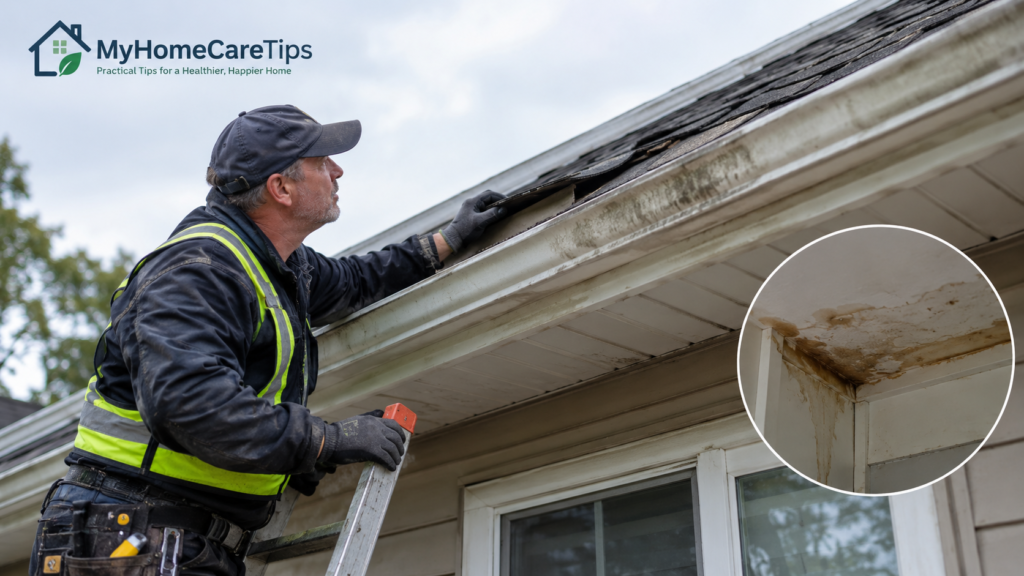
A leaking roof can start as a small problem but quickly lead to damaged ceilings, walls, insulation, and even electrical problems. The good news is that you can often spot the early warning signs before the damage becomes serious. In this guide, you’ll learn simple and safe ways to detect a possible roof leak before calling a roofing expert.
1. Check for Water Stains on The Ceiling
Water stains are one of the easiest signs of a roof leak to notice. Look for brown, yellow, or dark patches on your ceiling, especially after heavy rain. Also check around ceiling corners, light fixtures, and where the ceiling meets the walls. A stain may not always be directly under the damaged part of the roof because water can travel along wood or pipes before it becomes visible.
2. Inspect the Attic for Dampness or Drips
If you can safely access your attic, look for damp wood, wet insulation, dark spots, mold, or visible water drips. Use a flashlight and check the underside of the roof, especially after rainfall. Do not touch exposed electrical wiring or climb into unsafe areas. If you notice active dripping near electrical parts, stop immediately and call a professional.
3. Look for Damaged or Missing Roofing Materials
From the ground, look carefully for missing, cracked, curled, or displaced roofing materials. Pay special attention to areas around roof edges, vents, chimneys, and other openings, because leaks often begin there. Do not climb onto the roof unless you have the proper safety equipment and experience. A ground-level inspection can still reveal many obvious signs of damage.
4. Check Around Roof Vents, Chimneys, and Flashing
Roof leaks often develop around areas where the roof has openings or joints. From a safe position, look for loose flashing, gaps, cracks, rust, or damaged sealant around vents, chimneys, skylights, and similar areas. These spots can allow rainwater to enter even when the rest of the roof appears to be in good condition. If the damage is difficult to see or reach safely, leave the inspection to a roofing professional.
5. Watch for Mold, Peeling Paint, or Damp Walls
A roof leak does not always show up as a visible drip. Sometimes the first signs are peeling paint, bubbling wallpaper, damp walls, or a musty smell inside the house. Mold or mildew near the ceiling can also point to ongoing moisture. If these signs keep returning after cleaning, there may be a hidden leak that needs professional attention.
6. Check Your Gutters and Drainage
Blocked or damaged gutters can cause rainwater to collect near the edge of the roof instead of draining away properly. Check for leaves, dirt, standing water, sagging sections, or loose connections. Overflowing gutters can allow water to seep under roofing materials and into the walls or ceiling. Clean gutters regularly and repair damaged sections as soon as possible.
7. Know When to Call a Roofing Expert
Some roof problems should not be handled without professional help. Call a roofing expert if you notice active water entering the house, large areas of roof damage, sagging sections, repeated leaks, or damage near electrical wiring. You should also avoid climbing onto a wet, steep, or badly damaged roof. A professional can inspect the problem safely and determine whether you need a small repair or more serious work.
8. Arrange an Inspection During or Soon After Rainfall
If the leak is difficult to locate, try to contact a roofing professional while the leak is active or soon after rainfall. Fresh water stains, damp areas, and visible drips can make it easier to trace where the water is entering the house. The professional may be able to inspect the attic or interior while it is raining, but an exterior roof inspection should only be done when weather conditions are safe. Showing the expert exactly where you noticed the water can also help them identify the source more quickly.
Conclusion
Detecting a roof leak early can save you from much more expensive damage later. Regularly check your ceilings, attic, gutters, roof edges, vents, and other vulnerable areas, especially after heavy rain. If you notice signs of a leak, avoid risky roof work and contact a qualified roofing professional when necessary. Acting quickly can help protect your home, reduce repair costs, and prevent further water damage.