
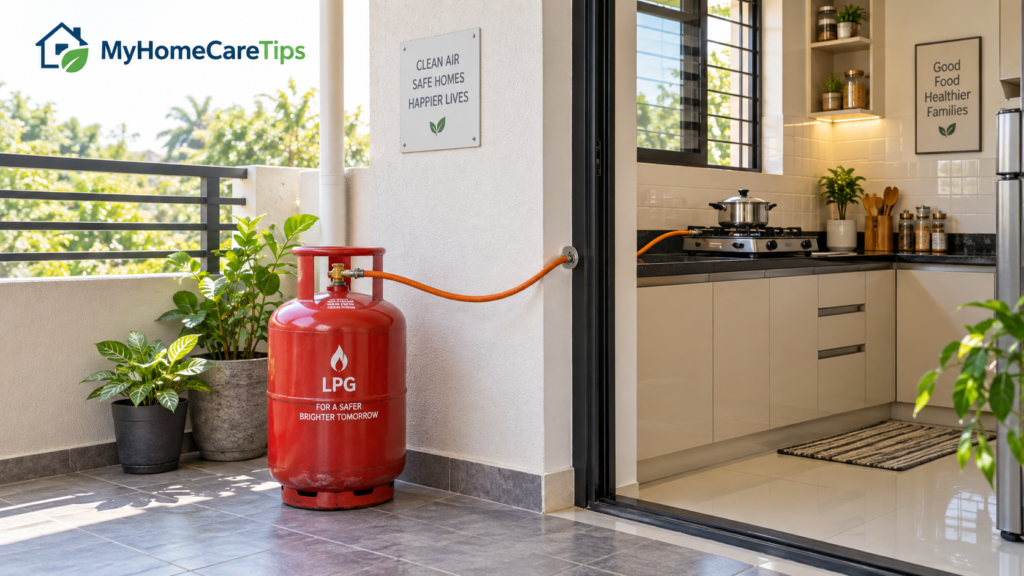
Cooking gas is convenient for preparing meals, but a damaged cylinder, faulty regulator, leaking hose, or careless handling can create a serious household hazard. A gas leak may lead to a fire, an explosion, or dangerous exposure to gas.
The good news is that households can reduce many avoidable risks by using gas equipment correctly, checking for visible damage, maintaining good ventilation, and knowing what to do in an emergency.
This guide explains practical cooking gas safety measures, warning signs of a possible leak, and situations that require professional assistance.
1. Inspect Your Gas Cylinder, Hose, and Regulator
The cylinder, regulator, and hose work together to deliver gas to your cooker. Damage or an unsuitable connection can create a leak.
Check the equipment periodically for visible corrosion, dents, cracks, damaged hose sections, loose fittings, or other signs of deterioration. Look for a hose that has become brittle, swollen, cracked, or excessively worn.
Use a regulator and hose designed for your particular gas system, and follow the manufacturer’s replacement and maintenance instructions. Have damaged components replaced by a qualified gas technician.
Never attempt to repair a damaged cylinder, regulator, or hose using glue, tape, or other improvised materials.
2. Position the Gas Cylinder Safely
Place the cylinder upright on a stable, level surface in a well-ventilated location that complies with the cylinder manufacturer’s instructions and applicable local safety requirements.
Keep it away from direct heat, open flames, hot cooking surfaces, and other ignition sources. Protect it from being knocked over or damaged.
Do not store a gas cylinder in a tightly enclosed, poorly ventilated space where leaking gas could accumulate. Liquefied petroleum gas (LPG) is heavier than air and can collect in low areas.
Avoid placing cylinders in basements, pits, or other low-lying spaces where gas could gather. If you are unsure whether your proposed storage location is safe, consult a qualified gas professional.
3. Recognise the Warning Signs of a Gas Leak
Knowing the warning signs can help you respond promptly.
Possible signs include:
- The characteristic smell added to cooking gas to help people detect leaks.
- A hissing sound around the cylinder, regulator, or hose.
- Bubbles appearing when an approved soapy-water leak test is performed around a connection under safe conditions.
Never use a match, lighter, candle, or any other open flame to look for a leak.
A soapy-water test should only be carried out when there is no suspected active leak, using the equipment manufacturer’s approved procedure. If you already smell gas or hear a suspected leak, do not approach the equipment to test it.
What to Do If You Suspect a Gas Leak
Treat a suspected leak seriously, even if the smell seems faint.
- Do not light the cooker or any flame.
- Do not operate electrical switches, plug in equipment, or use a phone in the affected area.
- Leave the affected area and move to a safe location away from the suspected leak.
- Warn others to stay away if you can do so without putting yourself at risk.
- Once safely away, contact your gas supplier, a qualified gas technician, or the appropriate emergency service for instructions.
Do not re-enter the affected area or resume using the equipment until it has been declared safe by a qualified professional.
If you can smell gas, do not attempt to locate the leak yourself or close a valve if doing so would require approaching the suspected leak.
4. Turn Off the Gas After Cooking
When cooking is finished, turn off the cooker controls and close the cylinder valve according to the manufacturer’s instructions.
This helps prevent unintended gas flow when the appliance is not being used. Check that the cooker flame has gone out and that the controls are in the correct position.
If you notice a gas smell after shutting everything off, do not assume the problem has been solved. Leave the area and follow the emergency steps described above.
5. Keep Flammable Materials Away From the Cooker
Kitchen fires can start when flammable materials come into contact with a flame or hot cooking surface.
Keep curtains, paper towels, plastic packaging, cleaning products, and other combustible items away from burners. Store cooking oil and other flammable materials safely away from the immediate cooking area.
Do not leave active cooking unattended for long periods. Keep children away from hot burners and gas controls, and avoid allowing loose clothing to hang near an open flame.
Keep suitable firefighting equipment accessible only if it can be reached safely, and make sure household members know how to leave the building during an emergency. Never attempt to fight a gas-fed fire if doing so puts you at risk.
6. Keep the Cooking Area Well Ventilated
Adequate ventilation helps remove combustion products and supports safer appliance operation.
Use a kitchen arrangement that meets the appliance manufacturer’s ventilation requirements. Keep required ventilation openings clear and never block them with furniture, stored items, or coverings.
If your cooker produces persistent soot, unusual flames, or symptoms such as headaches or dizziness while operating, stop using it, move to fresh air, and seek professional assistance. These signs may indicate a combustion or ventilation problem.
If anyone experiences severe breathing difficulty, confusion, collapse, or other serious symptoms, seek emergency medical assistance.
7. Keep Phones and Electrical Switches Away From a Suspected Leak
A phone or electrical device should not be operated in an area where a gas leak is suspected because some electrical equipment can create an ignition source.
If you smell gas, do not use your phone, turn lights on or off, operate appliances, or connect chargers while in the affected area.
Leave first. Once you are at a safe distance, use your phone to contact the appropriate gas professional or emergency service.
This precaution applies even if you only intend to make a quick call.
8. Arrange Professional Inspection and Repairs
Routine visual checks are useful, but they cannot identify every internal fault. A regulator, valve, connection, or cooker may have a problem that is not obvious from the outside.
Arrange professional inspection if you notice recurring gas smells, damaged components, unusual burner behaviour, persistent soot, or suspected leaks.
Never dismantle gas equipment, modify connections, replace internal valves, or attempt to repair a cylinder yourself. Use a qualified gas technician who can assess the equipment and carry out the necessary work safely.
If your equipment has been involved in a fire, suffered impact damage, or developed a suspected leak, do not return it to service until it has been professionally checked.
Cooking Gas Safety Checklist
Before using your cooker, consider these basic precautions:
- Check that the cylinder, hose, and regulator show no visible damage.
- Make sure the cylinder is stable and correctly positioned.
- Keep the cooking area ventilated.
- Remove flammable materials from around the burners.
- Keep children away from gas controls and open flames.
- Turn off the cooker and cylinder valve after cooking.
- Know how to leave the area and contact help if a leak is suspected.
These checks do not replace professional maintenance, but they can help you maintain safer habits at home.
Final Thoughts
Cooking gas can be used more safely when equipment is suitable, connections are maintained, ventilation requirements are met, and warning signs are taken seriously.
Inspect visible components regularly, keep flammable materials away from the cooker, and turn off the gas supply after use. Most importantly, never use a flame to test for a leak or operate electrical switches in an area where gas may be present.
If you suspect a leak, leave the affected area, contact qualified assistance from a safe location, and do not use the equipment again until it has been declared safe.
A few sensible precautions can help protect your household, but knowing when to stop and seek professional help is just as important as routine maintenance.