
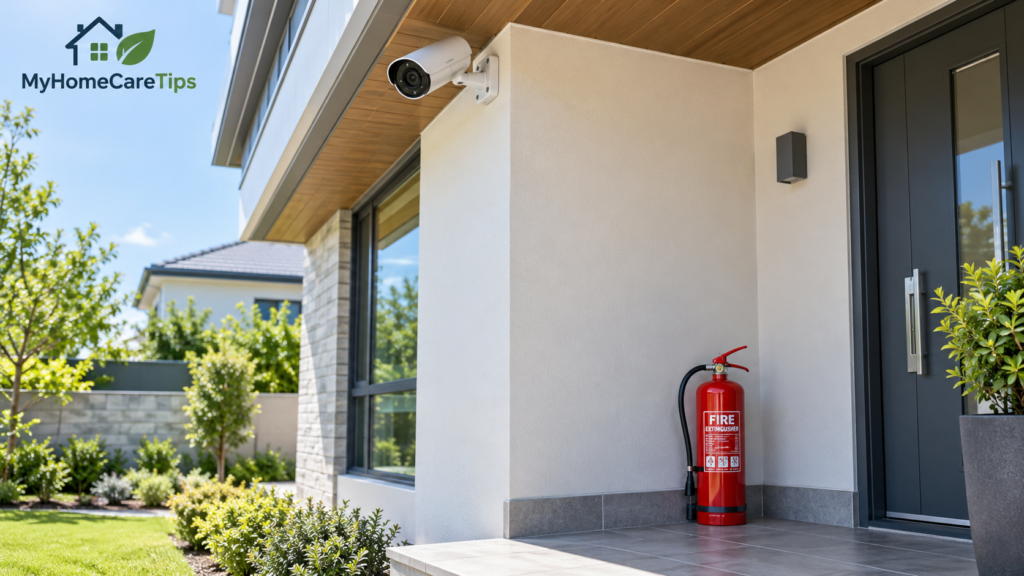
Your home should be a place where your family feels safe and comfortable. However, weak door locks, damaged gates, poor outdoor lighting and careless security habits can make it easier for unwanted visitors to enter your property.
Improving home security does not always require expensive equipment. Simple measures, such as securing doors and windows, maintaining your fence, protecting valuable belongings and establishing an emergency plan, can help reduce risks.
In this guide, you will learn practical home security tips to help protect your family, belongings and property.
1. Secure Your Doors and Windows
Doors and windows are among the first areas to check when improving home security. Weak locks, damaged frames and loose hinges can make entry points less secure.
Inspect the doors and windows around your home regularly. Make sure they close properly, lock securely and show no signs of damage.
Here are some practical steps to take:
- Install strong, suitable locks on exterior doors and accessible windows.
- Repair loose hinges, damaged frames and faulty locking mechanisms promptly.
- Lock doors and windows when leaving home and before going to bed.
- Keep spare keys in a secure place rather than under doormats or in obvious outdoor hiding spots.
- Consider a suitable security bar or additional window lock where appropriate.
If you rent your home, speak with your landlord before making changes that affect the doors, windows or permanent fixtures.
2. Improve Outdoor Lighting
Dark areas around entrances, walkways, gates and the sides of a building can make it harder to see who is approaching your home.
Install suitable outdoor lighting near the main entrance, gate, garage and other areas where people may approach the property. Motion-sensor lights can be useful because they switch on when movement is detected.
Check outdoor bulbs regularly and replace faulty ones. Position lights so they illuminate important areas without creating excessive glare for family members, neighbours or people using nearby walkways.
Lighting is not a complete security solution, but it can improve visibility and make it easier to notice unusual activity around your property.
3. Verify Visitors Before Opening the Door
Not everyone who knocks on your door has a reason to enter your home. Be cautious when dealing with unfamiliar visitors, delivery workers or people claiming to represent a company.
Before allowing someone inside:
- Ask who they are and why they have come.
- Use a secure viewing method, such as a peephole, window or door camera, if available.
- Verify service appointments with the company using contact details you obtain independently.
- Do not feel pressured to open the door because someone claims an urgent problem requires immediate attention.
- If you feel uncomfortable, keep the door locked and ask the person to return after their identity has been verified.
Teach children not to open the door to strangers or tell unknown callers whether adults are home. They should know how to contact a trusted adult if they feel unsafe.
4. Maintain Your Gates, Fence and Perimeter
Your gate, fence or perimeter wall can help control access to your property. Damaged sections, broken locks and gaps may weaken that protection.
Walk around your property periodically and inspect the condition of gates, fences, walls and their locking mechanisms.
Make repairs as soon as possible. Ensure gates close properly, hinges are secure and locks work as intended. Keep the main entrance secured when it is not in use.
Where practical, avoid leaving tools, ladders or heavy objects outside in locations where someone could easily use them to access the property.
If you live in a shared compound, agree with other occupants on how gates should be secured and how visitors should be handled. Good communication can help prevent security gaps.
5. Consider Security Cameras or an Alarm System
Security cameras and alarm systems can provide additional protection, depending on how they are installed and maintained.
If your budget allows, consider cameras covering useful areas such as the main entrance, gate, driveway or other accessible entry points. Position them to capture relevant activity while respecting neighbours’ privacy.
An alarm system may also alert occupants when a protected door or window is opened unexpectedly.
If you install security equipment:
- Check that cameras and sensors are working correctly.
- Keep devices charged or connected to a reliable power supply as appropriate.
- Protect camera accounts with strong, unique passwords.
- Change default passwords and enable additional account protection where available.
- Check that recordings are being saved if your system relies on recording.
- Follow the manufacturer’s instructions for maintenance and updates.
Cameras and alarms should support other security measures, not replace good locks, careful visitor screening or a reliable emergency plan.
6. Keep Valuables Out of Sight
Expensive electronics, cash, jewellery, tools and other valuable belongings should not be displayed where passers-by can easily see them.
Store valuable items in secure places inside your home. Close curtains or blinds when appropriate, particularly if valuable belongings are visible from the street or entrance.
Avoid leaving laptops, phones, wallets or bags unattended near open windows and doors. Keep keys and important documents secure, and avoid sharing photographs or public posts that reveal valuable purchases or security details about your home.
For particularly valuable belongings, consider keeping a record of serial numbers and photographs in a secure location. This information may be useful if an item is lost or stolen.
7. Be Careful When Leaving Home for Several Days
An empty home may attract unwanted attention if it is obvious that nobody is around. Before travelling, take a few minutes to check your property’s security.
Use this checklist:
- Lock all exterior doors and accessible windows.
- Secure the gate and any other entrances.
- Check that valuable items are not visible from outside.
- Arrange for a trusted person to check the property when appropriate.
- Ask someone you trust to collect deliveries or remove anything that visibly indicates your absence.
- Avoid publicly announcing travel dates or posting real-time updates that reveal your home is empty.
- Check that any security equipment you rely on is working.
Do not give house keys or access codes to people you do not trust. If someone is looking after your home, explain how to secure it and how to contact you if a problem arises.
8. Keep Fire-Safety Equipment Ready
Protecting your home also means preparing for emergencies that can threaten lives and property. A suitable fire extinguisher, smoke alarm where available and a clear escape plan can improve household preparedness.
Choose fire-safety equipment appropriate for the hazards in your home and follow the manufacturer’s instructions for installation, inspection and maintenance.
Keep exits and escape routes clear. Make sure family members know how to leave the building quickly and where to meet outside.
Learn how to use a fire extinguisher before an emergency occurs, but only attempt to extinguish a small fire if you have the correct equipment, know how to operate it and can do so without putting yourself at risk.
If a fire spreads, produces heavy smoke or blocks your escape route, leave immediately, stay outside and contact the fire service. Do not return inside to retrieve belongings.
9. Create an Emergency Contact Plan
Every household should know what to do if there is a break-in, fire, medical emergency or another dangerous situation.
Keep important emergency contacts written down in a place where family members can find them. Include the appropriate local emergency services, trusted relatives and a reliable neighbour.
Agree on a safe meeting point outside the home in case everyone needs to evacuate. Teach children how to ask for help, how to provide their location and whom they can contact if they cannot reach a parent or guardian.
If you suspect someone has broken into your home while you are away, do not enter to investigate. Move to a safe place and contact the police or appropriate local authorities.
If you are inside the home during a suspected break-in, avoid confronting the intruder. If possible, move to a secure location, keep quiet and contact emergency services when it is safe to do so.
10. Build Good Daily Security Habits
Home security works best when everyone in the household follows consistent routines.
Before going to bed or leaving the house, check that exterior doors and windows are locked and the gate is secure. Put keys, wallets and other important belongings in their designated safe places.
Do not leave access codes, keys or security details where visitors can easily find them. Tell household members to report damaged locks, broken lights, unusual activity or other potential security concerns.
If you live in a neighbourhood where residents communicate with one another, consider maintaining a trusted way to share relevant safety concerns. Avoid spreading unverified accusations or confronting suspicious individuals yourself.
Small, consistent habits can make home security more effective than relying on equipment alone.
Common Home Security Mistakes to Avoid
Even a home with strong locks and security equipment can have preventable weaknesses. Avoid these common mistakes:
- Leaving exterior doors or accessible windows unlocked.
- Hiding spare keys in obvious outdoor locations.
- Ignoring broken locks, damaged gates or faulty outdoor lights.
- Allowing unfamiliar visitors inside without checking their identity.
- Leaving tools or ladders where they can be used to reach entry points.
- Sharing travel plans publicly while the house is empty.
- Assuming security cameras alone can prevent every break-in.
- Attempting to confront an intruder instead of prioritising personal safety.
Reviewing these habits regularly can help your household identify and address security gaps.
Conclusion
Keeping your family and property safe begins with practical steps you can take every day. Secure doors and windows, improve outdoor lighting, maintain gates and fences, verify unfamiliar visitors and keep valuable belongings out of sight.
Security cameras, alarms, fire-safety equipment and an emergency contact plan can provide additional protection when used appropriately. Most importantly, make personal safety your priority: avoid confronting intruders, leave dangerous situations when possible and contact the appropriate emergency services.
Inspect your home periodically, repair weaknesses promptly and encourage everyone in your household to follow the same safety routines. A consistent approach can help make your home more secure and your family better prepared for emergencies.
Good